
Supplements and Dementia:
What You Need to Know
The Role of Supplements in Brain Health
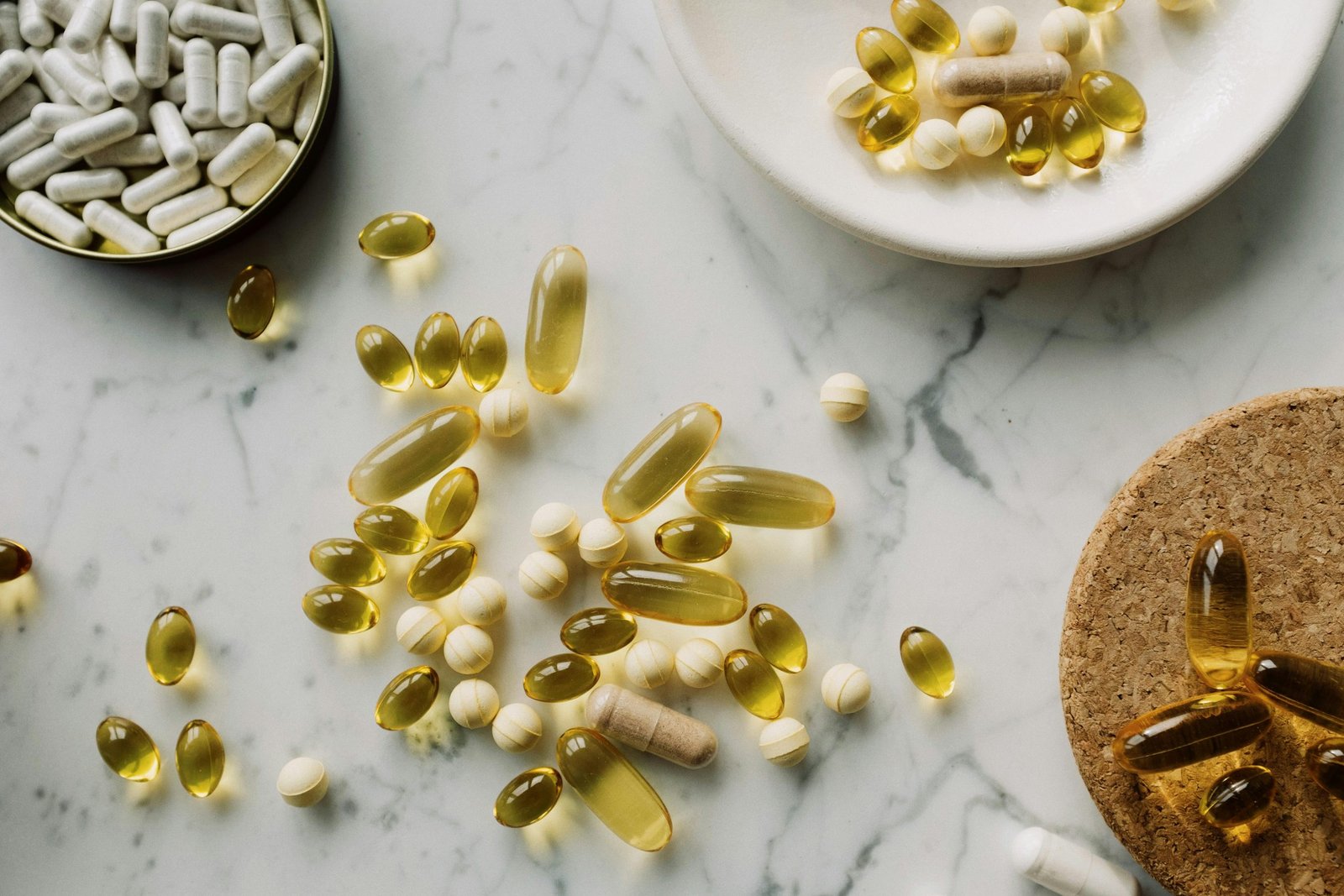
Think of supplements as your brain's trusty sidekicks. They may not wear capes, but they can provide essential nutrients to support cognitive function. Here are some key players to consider in your quest for brain health:
- Omega-3 Fatty Acids: These little gems found in fish oil (and yes, in fish that swim!) are like brain superfoods. Think salmon, mackerel, and sardines! Omega-3s help build cell membranes in the brain and promote the growth of new neurons—perfect for when you need to remember where you left your keys. They’re also anti-inflammatory, meaning they can help keep your brain from getting as grumpy as a cat in a bathtub. Try to snag at least two servings of fatty fish each week, or consider a high-quality fish oil supplement if you’re not feeling too fishy.
- Vitamin D: Known as the "sunshine vitamin," vitamin D is not just for keeping your bones happy. It helps regulate mood and may protect against cognitive decline, so you can keep smiling (or at least smirking). Many of us are deficient in vitamin D, especially those of us who work long hours indoors or live in places where sunshine is as rare as a unicorn. Try soaking up some rays for 15-20 minutes a few times a week, or chow down on vitamin D-rich foods like fatty fish and fortified cereals. If all else fails, a vitamin D supplement can help you shine bright!
- B Vitamins: B12, B6, and folic acid are the three musketeers of brain health. They help lower homocysteine levels, an amino acid that can turn nasty and increase your risk of dementia when left unchecked. Plus, B vitamins are vital for producing neurotransmitters, the brain’s very own messengers. You can find these vitamins in leafy greens, whole grains, eggs, and dairy. If you're feeling a little B-deficient—especially if you’re vegan or vegetarian—consider a B-complex supplement after checking with your healthcare guru.
- Antioxidants: Think of antioxidants as your brain's personal bodyguards, battling oxidative stress that tries to wreck your brain cells. They come in the form of vitamins C and E, and they're found in delicious foods like berries, nuts, dark chocolate (yes, that’s a health food!), and green leafy vegetables. If you’re not getting enough antioxidants from your daily berry smoothie, you might want to consider supplements. But remember, a handful of blueberries is always more fun than a pill!
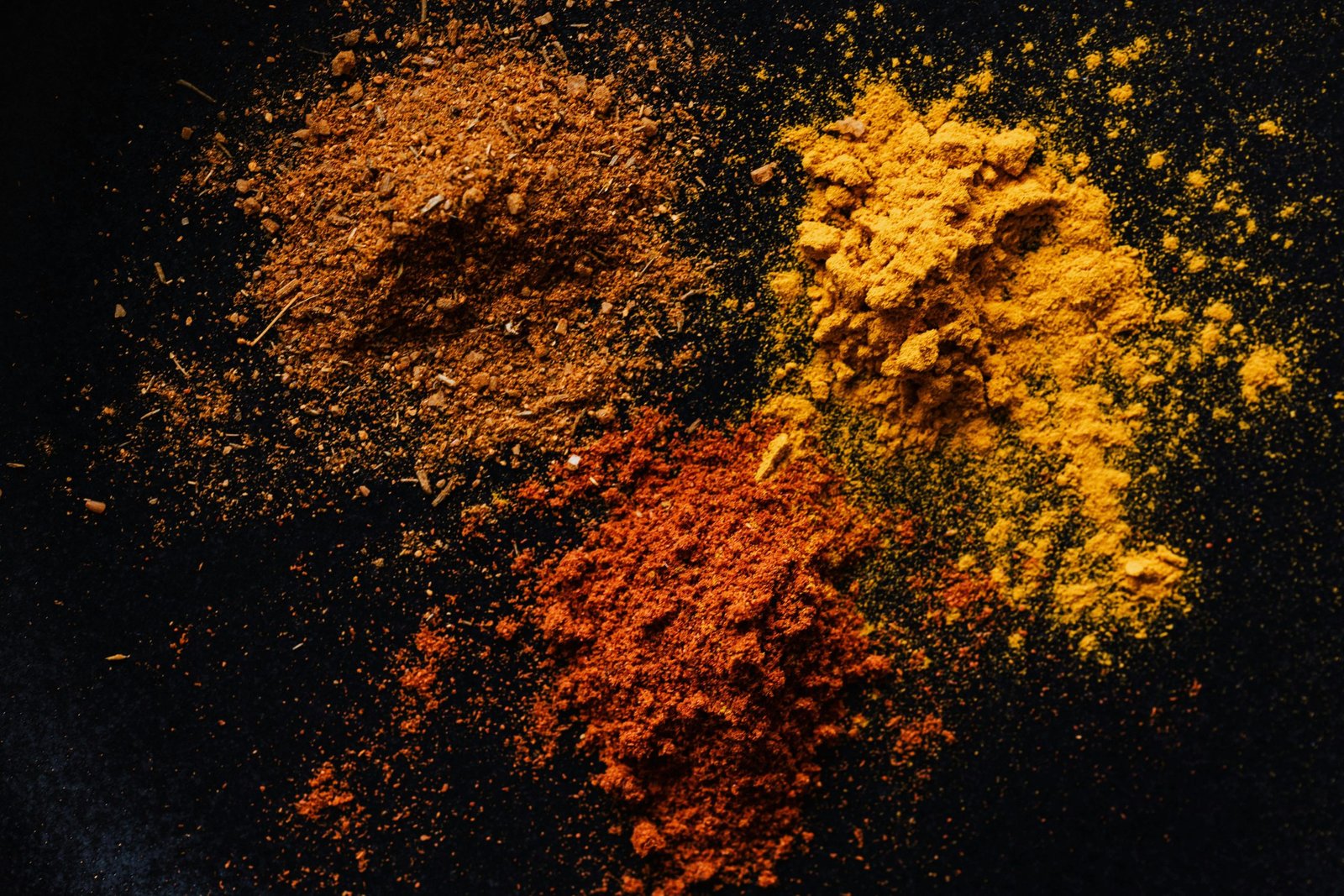
- Curcumin: The star of the turmeric show, curcumin is famous for its anti-inflammatory and antioxidant powers. Some studies suggest it can help improve cognitive function—kind of like a brain boost in a spice jar! Include turmeric in your cooking, or take a curcumin supplement, but don’t forget that a dash of black pepper enhances its absorption. After all, every superhero needs a trusty sidekick!




Things to Consider
While supplements can be beneficial, it’s important to approach them thoughtfully. Here are some tips to keep in mind as you embark on your supplement adventure: We here at MindRelief365 advise to have a friendly chat with your GP about getting a blood test after being diagnosed with Dementia.
See more information under section: After Diagnosis Where Now?
- Consult a Healthcare Professional: Before diving headfirst into the supplement pool, have a chat with a healthcare professional. They’ll help you navigate your individual needs, current medications, and dietary habits. It’s like having a GPS for your health journey—no one wants to end up lost in the supplement jungle!
- Focus on Whole Foods First: Remember, supplements should complement a balanced diet, not replace it! Fill your plate with a colourful array of fruits, veggies, whole grains, lean proteins, and healthy fats. Not only do whole foods provide individual vitamins and minerals, but they also come with fibre and other nutrients that work together like a well-rehearsed dance troupe.
- Quality Matters: If you do decide to take supplements, choose high-quality products from reputable brands. Look for third-party testing certifications, which ensure that your supplements contain what they claim (and aren’t just filled with fairy dust). Your brain deserves the best, after all!
- Stay Informed: Research on supplements and brain health is always evolving, much like your uncle’s dance moves at family gatherings. New studies can change how we understand these nutrients. Keeping yourself updated means you won’t be left in the dust!
- Mind Your Dosages: Just because a little is good doesn’t mean a lot is better. Overdoing it on certain vitamins and minerals can lead to unwanted side effects. Stick to recommended dosages and consult your healthcare professional if you’re unsure. Nobody wants to end up as a cautionary tale in a nutrition class!
- Lifestyle Factors Matter: Finally, remember that diet is just one piece of the brain health puzzle. Regular exercise, adequate sleep, stress management, and social engagement all play a crucial role in keeping your noggin sharp. Think of it as a brain health team—every player counts!
Conclusion
Supplements can be a helpful addition to your brain health strategy, especially when it comes to dementia. With champions like omega-3 fatty acids, vitamin D, B vitamins, antioxidants, and curcumin, you’ve got a diverse team ready to support your cognitive function. Just remember to prioritize a balanced diet rich in whole foods, consult a healthcare professional, and choose high-quality supplements. By doing so, you’ll be well on your way to keeping your brain happy and enjoying every delightful moment of life!
Medical Disclaimer: This article is for informational purposes only and is not intended as medical advice. Always consult with a qualified healthcare professional before making significant changes to your diet or lifestyle.