
Recommended Diets for Dementia Prevention:
A Guide to Keeping Your Mind Sharp

1. Mediterranean Diet: A Taste of the Sun
The Mediterranean diet is celebrated not just for its deliciousness but also for its heart-healthy benefits. This diet has been linked to improved cognitive function and might just be your best ally in fighting dementia.
- Fruits and Vegetables: Think of a colourful platter filled with fruits and vegetables. Aim for at least five servings a day. Your brain will appreciate the vitamins, minerals, and antioxidants that come along with them!
- Healthy Fats: Olive oil is the primary fat source in this diet, offering beneficial monounsaturated fats. Pair it with nuts and fatty fish like salmon to load up on omega-3 fatty acids that support cognitive function.
- Whole Grains: Foods like brown rice and quinoa provide fibre and complex carbohydrates, which help stabilize blood sugar levels. These are the kind of carbs that keep you going without the crash.
- Legumes: Beans, lentils, and chickpeas are excellent sources of plant-based protein and fibre, which contribute to heart health and improved digestion.
- Moderate Dairy and Wine: Low-fat dairy products and a glass of red wine (just one a day) can add a touch of sophistication while providing calcium and other nutrients.
Research indicates that following the Mediterranean diet can significantly lower the risk of Alzheimer’s disease and cognitive decline, making it an excellent choice for dementia prevention.


Research indicates that following the Mediterranean diet can significantly lower the risk of Alzheimer’s disease and cognitive decline, making it an excellent choice for dementia prevention.


2. Plant-Based Diets: Embracing Nature’s Bounty
If you’re a fan of all things green, the plant-based diet might be right up your alley. This diet focuses on whole, unprocessed foods derived primarily from plants, making it rich in nutrients.
- Fruits and Vegetables: A high intake of a variety of fruits and vegetables is crucial for providing antioxidants, vitamins, and minerals that support brain health.
- Whole Grains: Quinoa, brown rice, and oats serve as fantastic sources of complex carbohydrates and fibre, helping to keep you full and energized.
- Legumes: Beans, lentils, and peas provide plant-based protein and essential nutrients that support cognitive function. Plus, they’re versatile and can be added to countless dishes!
- Nuts and Seeds: Incorporating a variety of nuts and seeds, such as walnuts and flaxseeds, can provide healthy fats and additional antioxidants.
Studies suggest that plant-based diets are associated with a lower risk of cognitive decline due to their anti-inflammatory properties and nutrient density.
3. Flexitarian Diet: The Best of Both Worlds
The flexitarian diet is a flexible approach that primarily focuses on plant-based foods while allowing for occasional meat and fish. It’s all about balance!
- Fruits and Vegetables: A significant portion of the diet consists of fruits and vegetables, which provide essential nutrients and antioxidants.
- Whole Grains: Whole grains are a staple, providing fibre and energy to help you power through your day.
- Legumes and Nuts: Encouraging plant-based proteins while limiting red meat can help reduce saturated fat consumption and improve overall health.
- Moderate Animal Products: While the focus is on plant-based foods, the flexitarian diet allows for moderate consumption of fish, poultry, and dairy. Enjoy the best of both worlds without going overboard!
Research indicates that the flexitarian diet can improve heart health and reduce the risk of chronic diseases, including cognitive decline.

4. Low-Carbohydrate Diets: Cutting Back on Carbs
If you’re looking to reduce carbohydrate intake, low-carb diets like ketogenic diets can be effective. They focus on cutting down on carbs while increasing healthy fats.
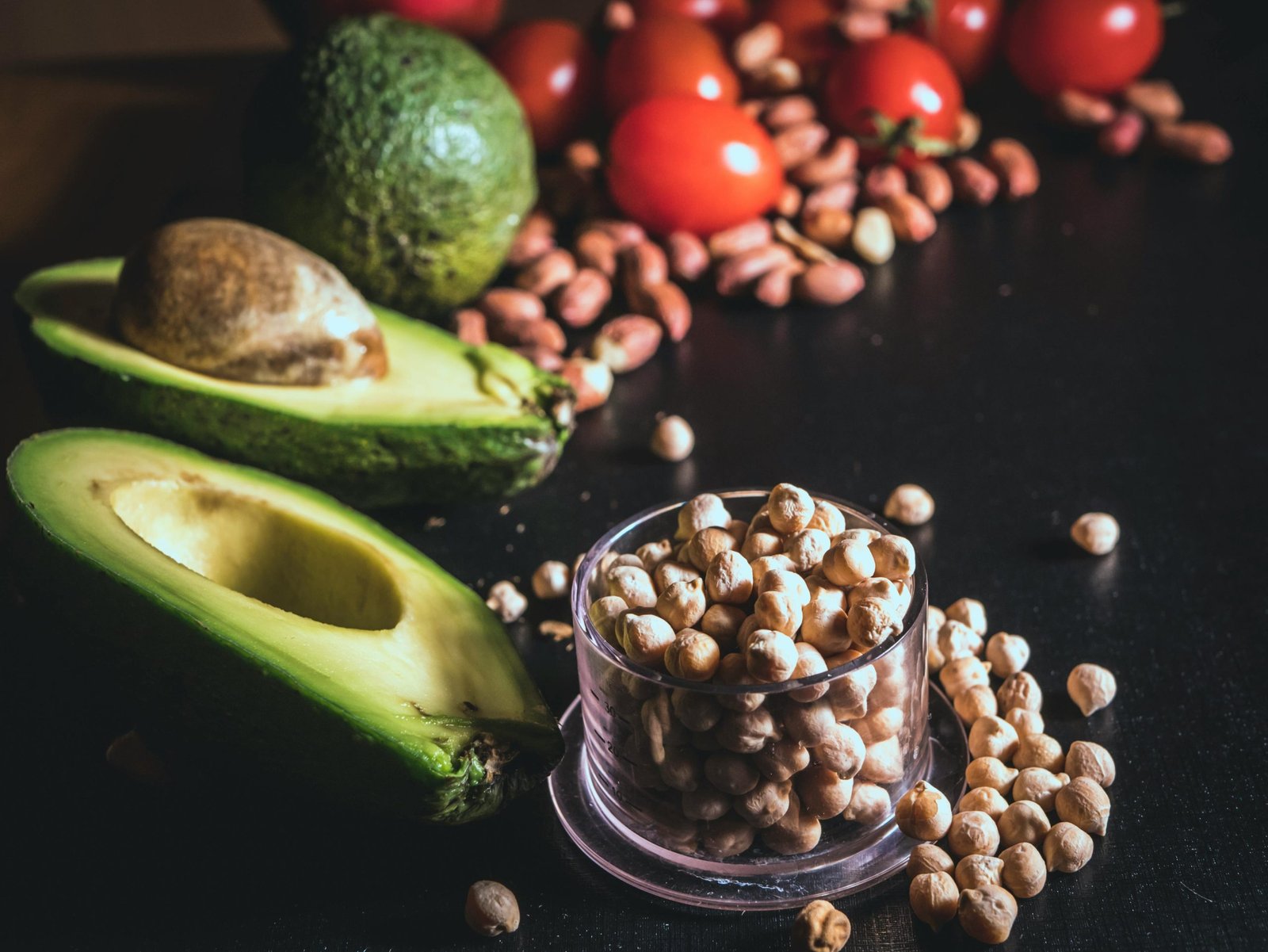
- Healthy Fats: Emphasize healthy fats from sources like avocados, nuts, and olive oil to support brain health.
- Moderate Protein: Include lean sources of protein, such as fish, poultry, and plant-based proteins, to maintain energy levels without excess carbs.
- Low-Carb Vegetables: Non-starchy vegetables like leafy greens, broccoli, and cauliflower are encouraged, providing essential nutrients without the added carbohydrates.
Some studies suggest that low-carbohydrate diets may enhance cognitive function and offer benefits for individuals with Alzheimer’s disease. Just be sure to consult with a healthcare professional to ensure it’s the right approach for you.
Conclusion: Make Smart Food Choices
Choosing the right diet is a proactive step toward reducing the risk of dementia and promoting brain health. Whether you prefer the Mediterranean charm, enjoy plant-based delights, embrace a flexitarian lifestyle, or are ready to cut back on carbs, there’s a diet for everyone!
So roll up your sleeves, get creative in the kitchen, and take charge of your dietary choices. With a bit of planning and some delicious food on your plate, you can support your long-term cognitive health and enjoy every bite along the way!

Medical Disclaimer: This article is for informational purposes only and is not intended as medical advice. Always consult with a qualified healthcare professional before making significant changes to your diet or lifestyle.