
The Importance of Exercise for Individuals with Dementia
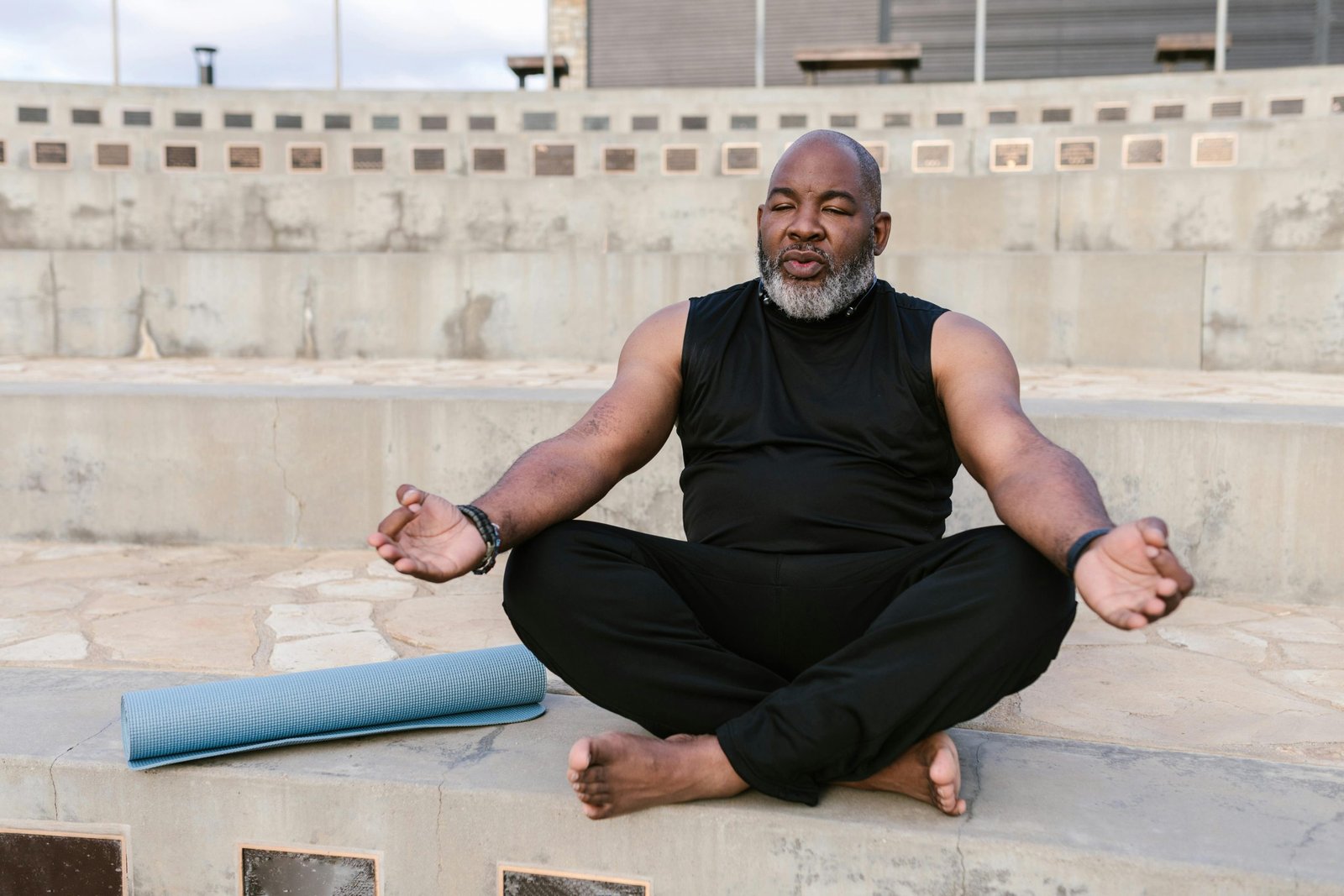
Exercise is crucial for enhancing the well-being of individuals with dementia. It not only supports physical health but also contributes significantly to cognitive function and emotional well-being. Here, we explore the various benefits of exercise, including the positive impact of music and dancing, along with resources for chair exercises.
Why Exercise Matters
1. Physical Health Benefits
- Improved Mobility: Regular exercise enhances strength, flexibility, and balance, helping to reduce the risk of falls. This is particularly important for individuals with dementia, who may be more prone to mobility issues.
- Cardiovascular Health: Engaging in physical activity strengthens the heart and improves circulation, which is essential for overall health.
- Weight Management: Exercise helps maintain a healthy weight, which can alleviate other health issues and improve quality of life.
- Muscle Strength: Even seated exercises can prevent muscle atrophy and support daily activities, making it easier for individuals to maintain their independence.

2. Cognitive Health Benefits
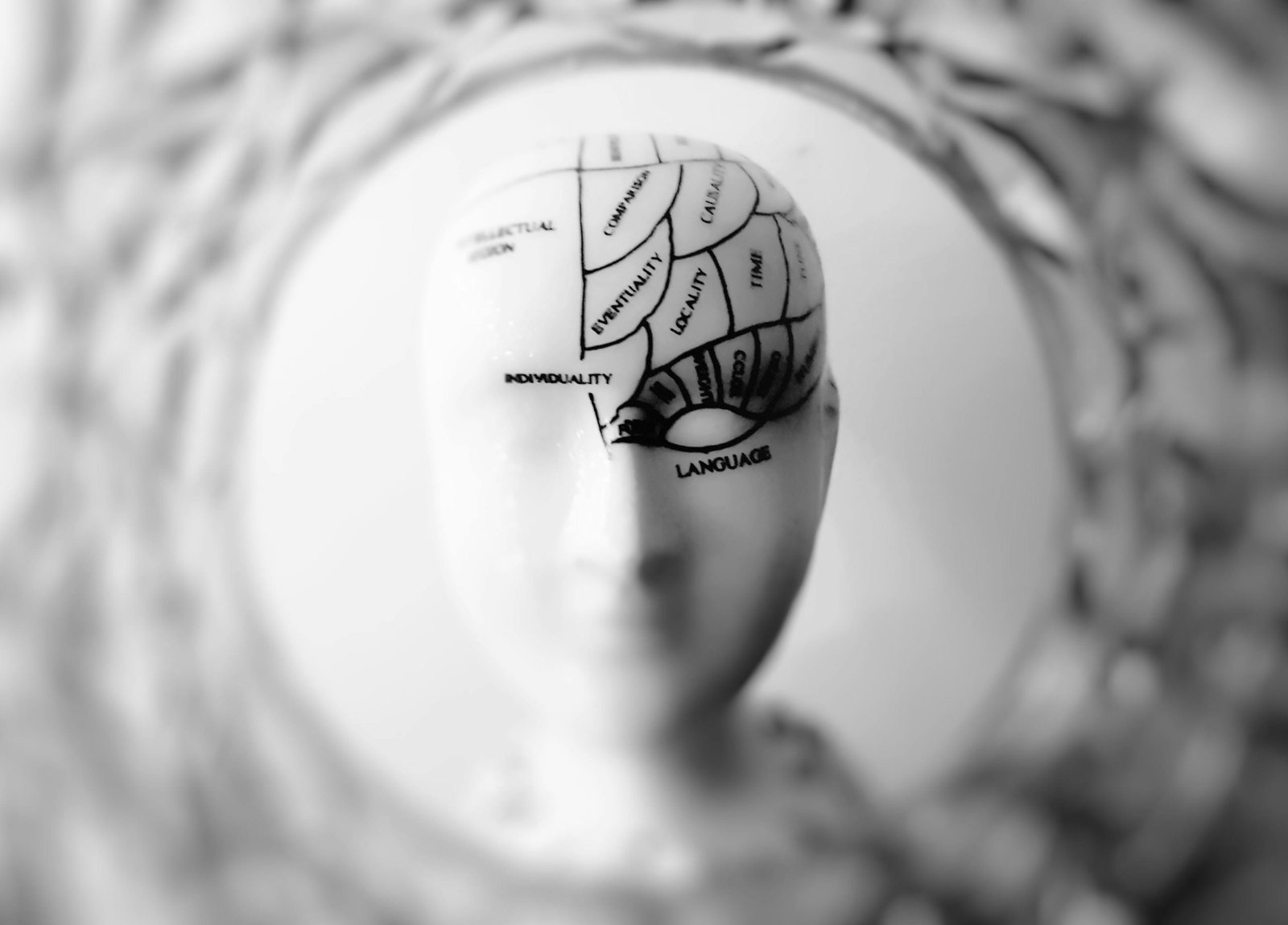
- Enhanced Brain Function: Physical activity increases blood flow to the brain, promoting the growth of new neurons and improving cognitive functions.
- Memory Improvement: Exercise has been shown to enhance memory recall and the ability to learn new skills, which is particularly beneficial for individuals with dementia.
- Slower Cognitive Decline: Regular physical activity is linked to a slower progression of cognitive decline in dementia patients, helping to preserve mental function for longer.
3. Emotional and Mental Health Benefits
- Reduced Depression and Anxiety: Physical activity can significantly enhance mood and decrease feelings of anxiety and depression, common in individuals with dementia.
- Boosted Confidence: Engaging in regular exercise can improve self-esteem and foster a sense of independence.
- Social Interaction: Group exercise activities provide opportunities for socialisation, which can help reduce feelings of isolation and loneliness.


4. The Importance of Music and Dancing
- Mood Enhancement: Music has a powerful effect on mood and can motivate individuals to engage in physical activities.
- Cognitive Engagement: Dancing stimulates both cognitive and physical functions, improving coordination and memory.
- Emotional Connection: Familiar music can evoke memories and emotions, encouraging individuals to participate more actively in activities.
- Social Bonding: Group dancing promotes social interaction and fosters a sense of community.
5. Improved Sleep Quality
- Regular exercise contributes to better sleep patterns, which are essential for cognitive health and overall well-being. Improved sleep can also reduce agitation and behavioural issues in dementia patients.
6. Increased Engagement and Stimulation
- Activities that involve movement stimulate mental engagement and keep the mind active, supporting overall cognitive health.

Conclusion
Incorporating exercise into the daily routine of individuals with dementia can lead to significant improvements in physical, cognitive, and emotional health. By recognising the importance of staying active, including the beneficial effects of music and dancing, and utilising resources like chair exercise videos, caregivers can help foster a more engaged and fulfilling life for those living with dementia and enjoy the fun together!
Medical Disclaimer: This article is for informational purposes only and is not intended as medical advice. Always consult with a qualified healthcare professional before making significant changes to your diet or lifestyle.